Common signs include white scale buildup, soap not lathering well, and dry skin or hair. A water test provides accurate hardness levels.
- +1-888-622-3092 | +1-647-212-4552
- info@kentwater.ca
- Get FREE Consultation
 Proud to be Canadian
 Proud to be Canadian
Hard water is common across Southern Ontario and, over time, can quietly damage plumbing, reduce appliance efficiency, and leave skin and hair feeling dry.
A properly sized water softener system removes hardness minerals like calcium and magnesium at the source. The result is cleaner fixtures, longer-lasting appliances, and more comfortable water throughout your home.
Whether your home uses municipal or well water, the right system provides stable, predictable performance built for long-term reliability.
A water softener removes calcium and magnesium minerals that cause hard water. This helps prevent scale buildup, protect plumbing and appliances, and deliver consistent water performance throughout the home.

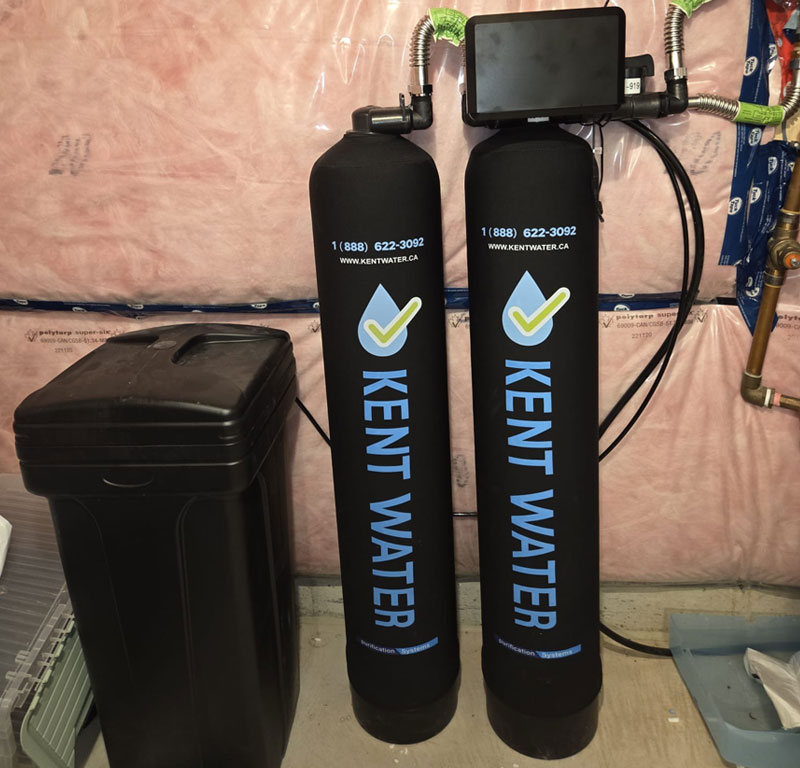
A water softener is a whole-home water treatment system installed at the main water entry point. It works by removing hardness minerals primarily calcium and magnesium from your water supply.
These minerals are responsible for scale buildup inside pipes, water heaters, and appliances. A water softener helps prevent this buildup, improving efficiency and protecting your home over time.
Water softeners use a proven process called ion exchange to remove hardness minerals from your water supply.
Capture: Hard water flows through a tank filled with specialized resin beads. These beads attract and hold calcium and magnesium — the minerals responsible for scale buildup.
Exchange: As hardness minerals attach to the resin, they are replaced with a small amount of sodium or potassium. This exchange process is what creates softened water.
Distribution: This softened water then flows to every tap, shower, and appliance in your home.
Regeneration: Periodically, the system performs an automatic recharge cycle. A brine solution cleans the resin beads by flushing out the captured hardness minerals, restoring the system’s softening capacity.
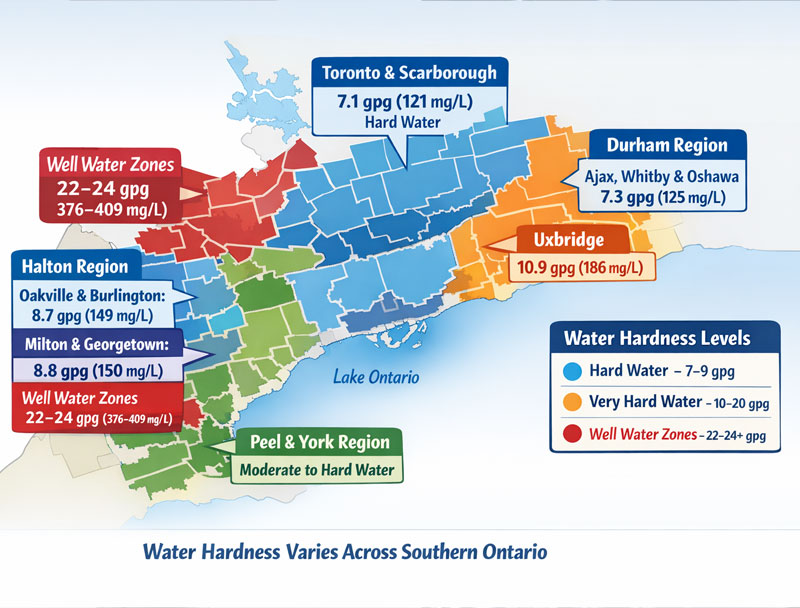
Note: Hardness values are municipal distribution averages and may vary by specific neighborhood or local supply zone.
Water hardness varies across the GTA depending on local geology and whether your home is supplied by lake-based municipal water or groundwater-fed distribution zones. Several Ontario municipalities publish hardness values (as mg/L CaCO3 or grains per gallon) as part of their official drinking water quality reporting.
The examples below reflect publicly available municipal ranges:
Quick Scale: 0–3 gpg (Soft) | 3–7 gpg (Moderate) | 7–10 gpg (Hard) | 10+ gpg (Very Hard)
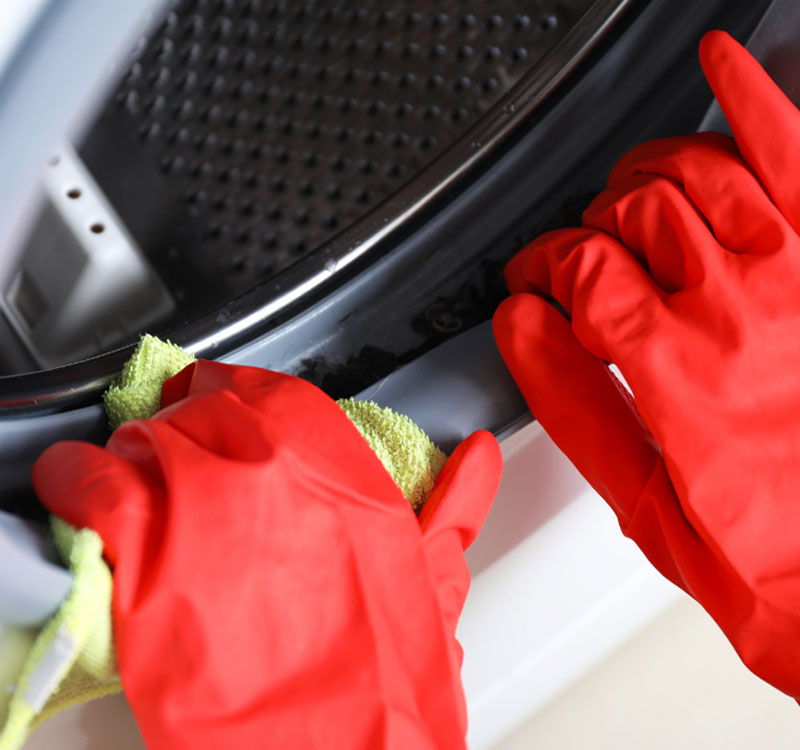
Hard water affects both comfort and efficiency throughout your home. If you notice the signs below, your water may exceed the 7–10 gpg (Hard Water) threshold common across Southern Ontario.
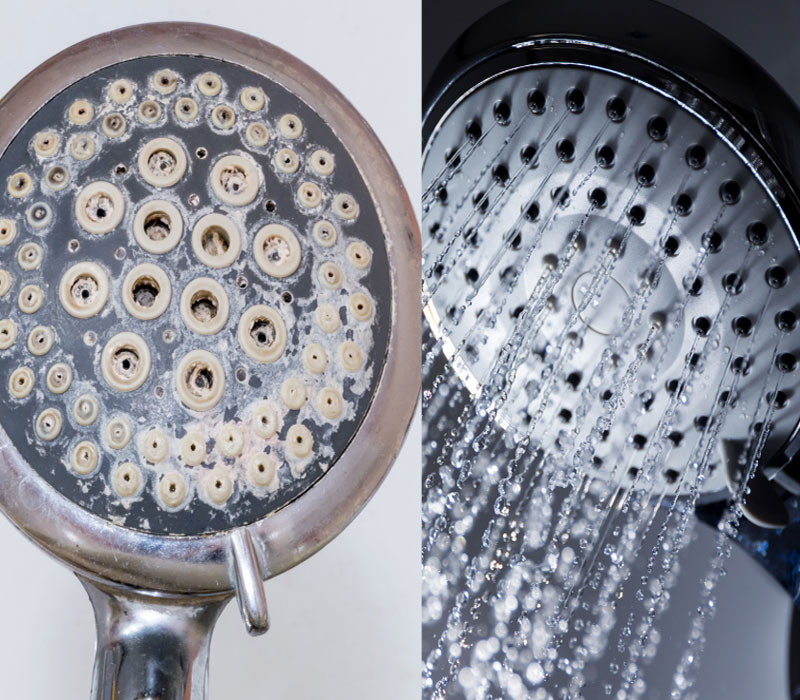
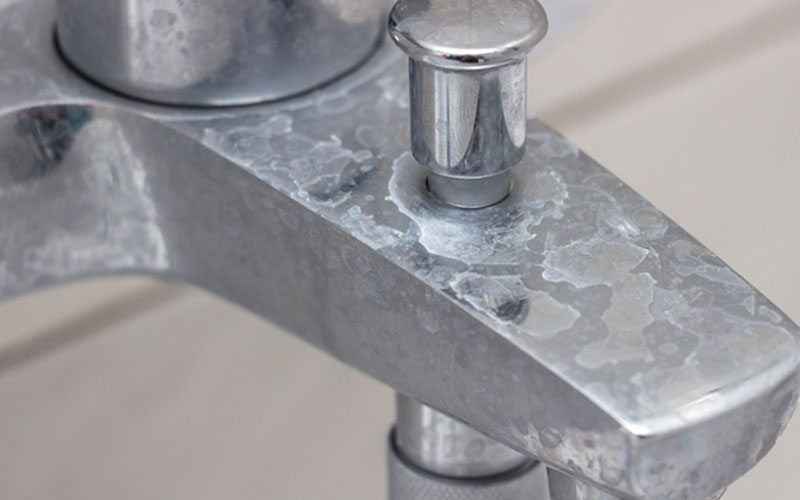
Limescale & Mineral Buildup: White, chalky residue on faucet aerators, showerheads, glass doors, and inside kettles.
Reduced Appliance Efficiency: Scale buildup inside water heaters and appliances acts as an insulator, forcing them to work harder and use more energy over time.
Dry Skin & Dull Hair: Hard minerals interfere with soap rinsing clean, often leaving skin feeling tight or filmy and hair looking less vibrant.
Cloudy Glassware & Soap Scum: Persistent spots on dishes, shower doors, and chrome fixtures that are difficult to remove.
Increased Soap & Detergent Use: Hard water reduces lathering efficiency, meaning more cleaning products are often needed for the same results.
Long-Term Plumbing Strain: Mineral deposits can gradually accumulate inside pipes and water-using appliances, contributing to reduced performance and higher maintenance costs.
The "Fingerprint" Test: If you wipe a chrome faucet and a white ring reappears within 24 hours, your water is likely in the "Hard" to "Very Hard" range.


Not all water softeners are created equal. In Southern Ontario, a one-size-fits-all approach can lead to inconsistent water pressure, inefficient regeneration, or unnecessary salt usage. Choosing the right system depends on three critical factors:
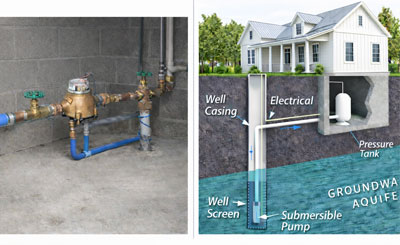

Expert Insight: A professional water test ensures the system is properly sized - avoiding under-performance or unnecessary salt and water consumption.
Every Kent water softener is sized and configured based on your actual water test results - not a standard package. The right system depends on your water source, hardness level and how your home uses water every day.
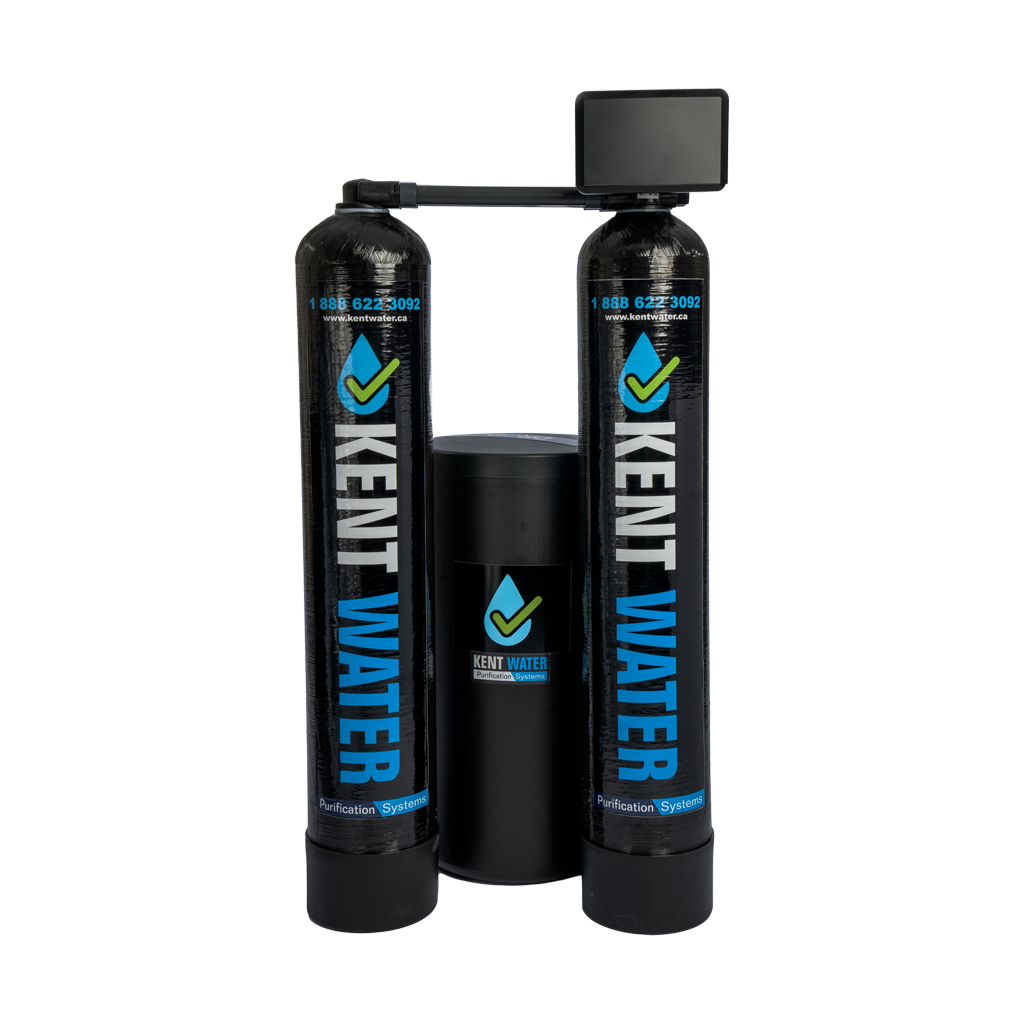 Whole House Water Softeners (City Water)
For homes connected to municipal water across Southern Ontario and the GTA.
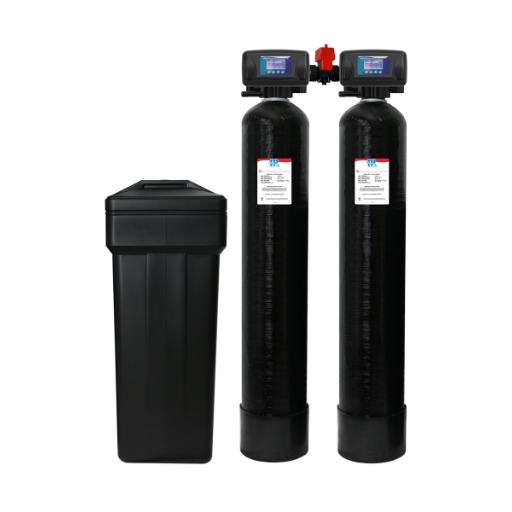 Well Water Softener Systems
For homes on private wells, where water conditions can vary significantly.
Choosing the right water softener starts with understanding your water. Our team helps homeowners across Southern Ontario and the Greater Toronto Area find solutions that fit their needs and budget.
Reviewed by Kent Water Purification Specialists
Based on real municipal and well water conditions across Southern Ontario and years of experience designing reliable home water systems.
Kent water softener systems are supported by professional installation, ongoing service, and manufacturer-backed warranties designed for long-term reliability.