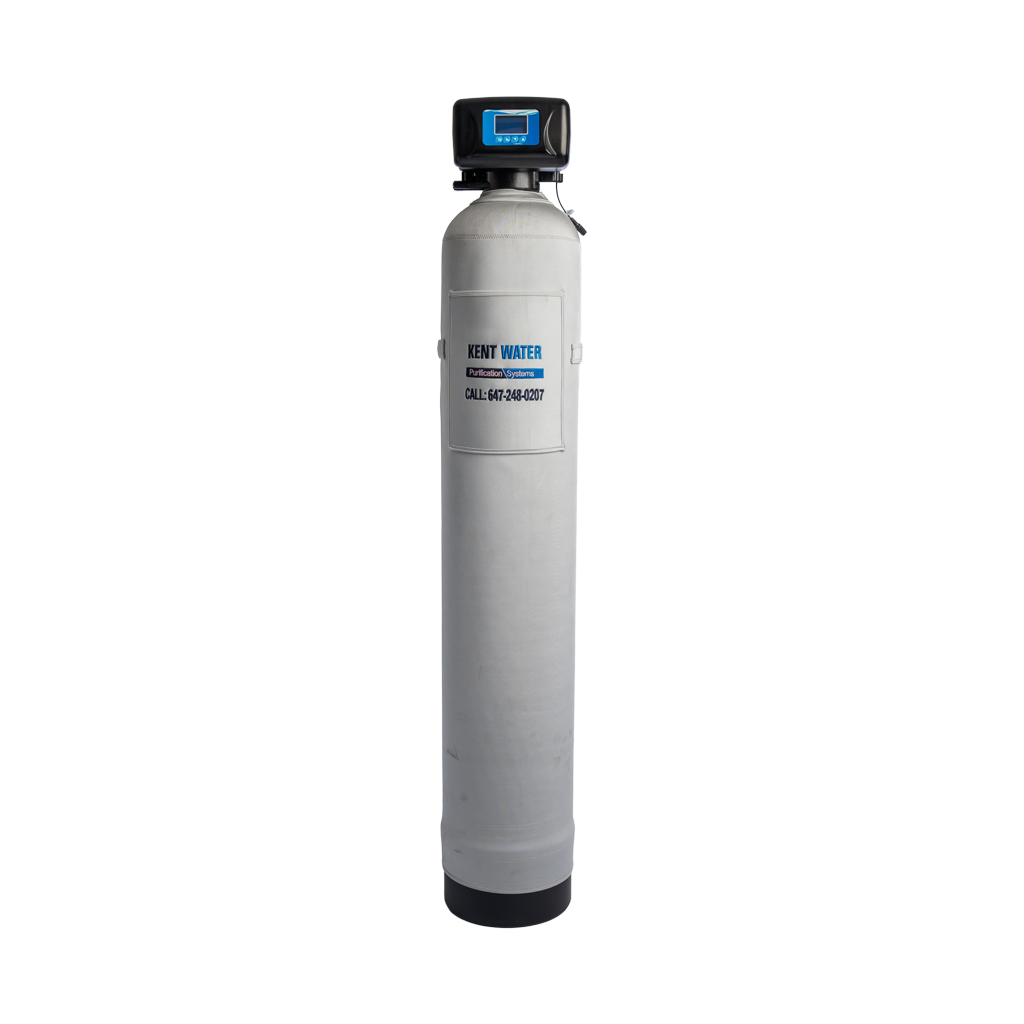
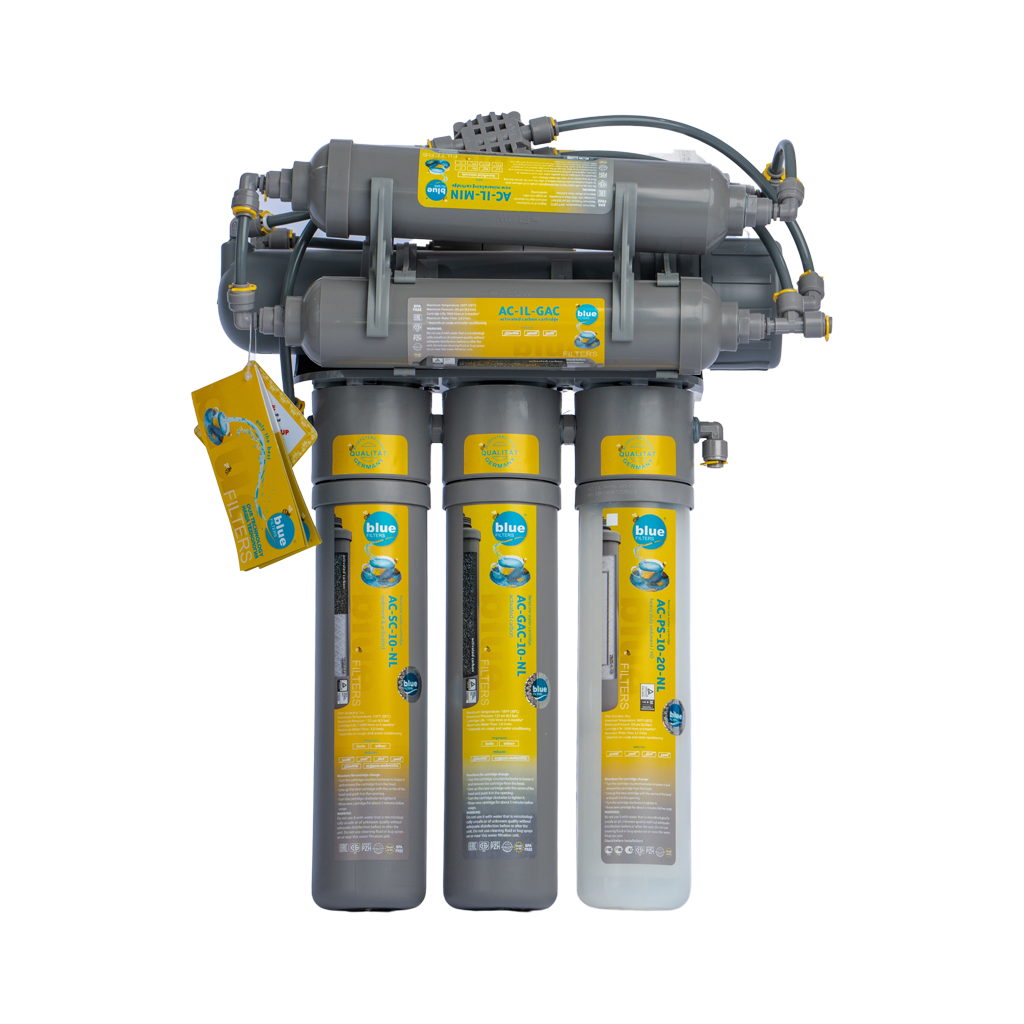
Well water often contains higher and more variable levels of hardness compared to city water. Because every private well is different, water quality can vary widely from one home to another, even within the same area.

Kent's well water softener systems are designed to handle these variations by treating hard water at the point of entry, helping protect plumbing, appliances, and water-using systems throughout the home.

Because well water conditions vary, effective treatment begins with testing and proper system selection - not assumptions.

Quick Answer: Are Well Water Softeners Different from City Water Softeners?

Yes. Well water softener systems are designed for private wells, where water hardness and quality can vary significantly. These systems are selected and sized based on individual well water test results, not standard municipal water conditions.
At a Glance - Why Well Water Homeowners Choose a Water Softener

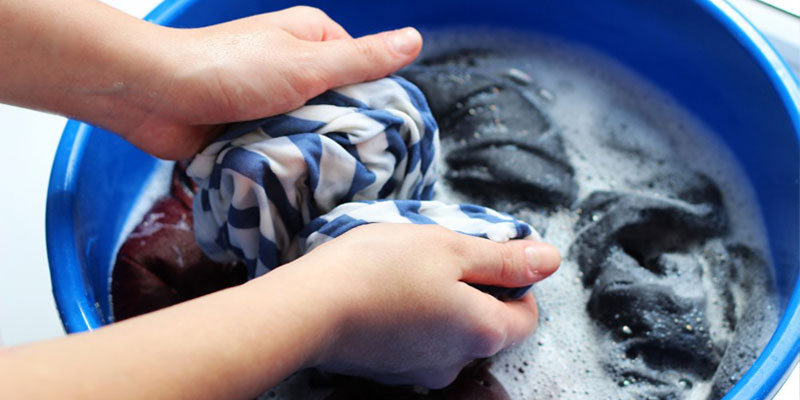
Softened water providing gentle handwashing comfort for families

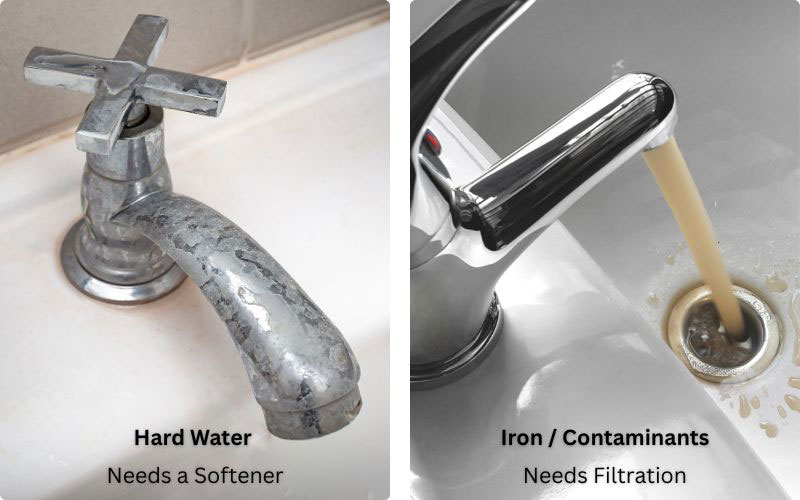
A water softener is designed to remove hardness minerals like calcium and magnesium - it does not filter out other well water concerns such as iron, sulfur, sediment, or bacteria. If your well water test identifies these additional contaminants, a separate filtration system is typically recommended alongside your softener for complete protection.

  • No More Limescale Buildup: Softened well water eliminates the white, chalky deposits that form on faucets, showerheads, glass shower doors, and inside appliances over time.
  • Longer-Lasting Appliances: Removing hardness minerals reduces scale buildup inside water heaters, washing machines, and dishwashers - extending their lifespan.
  • Softer Skin & Hair: Hard well water leaves mineral residue on skin and hair after every shower - softened water rinses completely, leaving both feeling noticeably cleaner.
  • Cleaner Laundry: Clothes washed in softened water maintain their colour, softness, and freshness without mineral stiffness or buildup.
  • Less Soap & Detergent: Soft water lathers more effectively, meaning you use less shampoo, soap and cleaning products for the same results.
  • Sized for Your Well: Unlike city water systems, every Kent well water softener is configured specifically for your well's hardness level and daily usage - not a standard package.

Learn more about our Well Water Filtration Systems

A water softener is designed to remove hardness minerals like calcium and magnesium - it does not filter out other well water concerns such as iron, sulfur, sediment, or bacteria. If your well water test identifies these additional contaminants, a separate filtration system is typically recommended alongside your softener for complete protection.

Learn more about our
Well Water Filtration Systems

Scale buildup and mineral deposits caused by hard municipal water in home plumbing

Why Well Water requires a custom-sized Softener?

Unlike city water, well water is not treated or regulated and can change over time. Hardness levels may be higher, fluctuate seasonally, or differ even between neighboring homes.

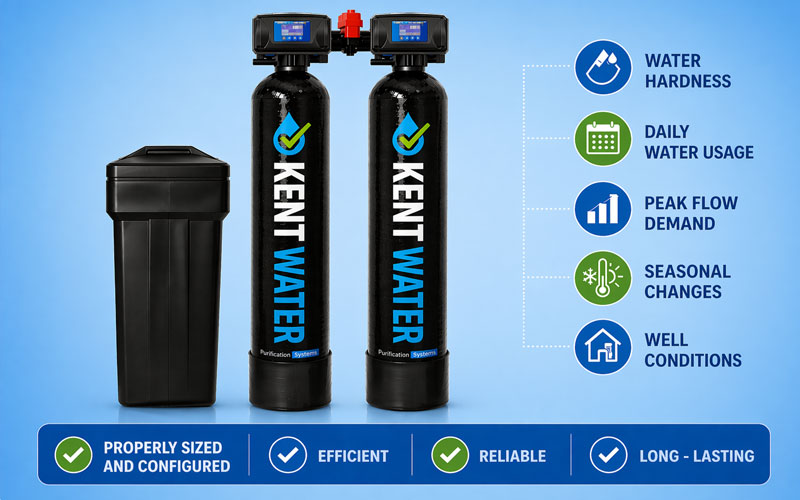
A well water softener must be sized and configured specifically for your well’s water hardness and daily usage to avoid under-treatment, over-regeneration, or system strain.

Custom sizing avoids the risks of over-treating or under-treating well water with bundled systems.

Scale buildup and mineral deposits caused by hard municipal water in home plumbing

What does a properly sized Well Water Softener include?

Homeowners searching for well water softeners are often at a decision point. Many are concerned not only about hard water, but also whether the system is designed properly for their specific well.

A properly designed well water softener system:

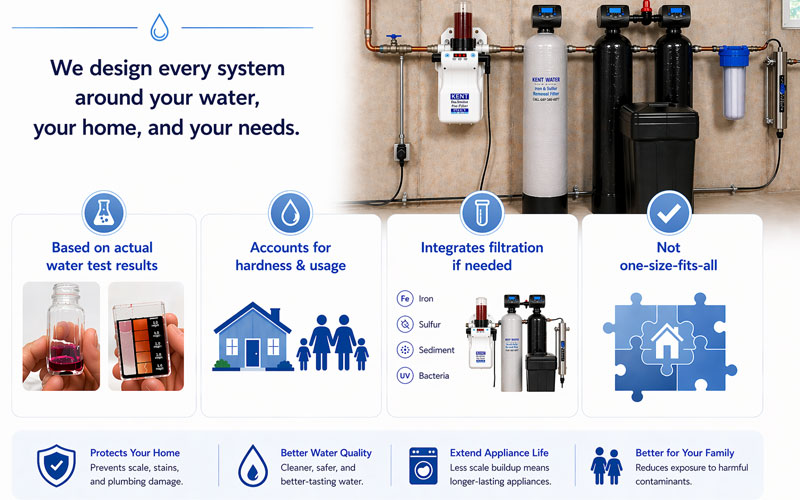
  • Is selected based on your actual water test results
  • Accounts for hardness levels and daily water usage
  • Allows integration with pre-filtration or treatment systems, if needed
  • Is not a one-size-fits-all solution

In well water homes, softening is often one part of a larger treatment strategy, not a standalone solution.

This approach is different from city water systems, which are typically sized for more consistent water conditions.

Scale buildup and mineral deposits caused by hard municipal water in home plumbing

Well Water Softener vs Well Water Filtration – What's the Difference?

A well water softener focuses on reducing hardness minerals that cause scale buildup and appliance wear.

Well Water Filtration systems address other well-specific concerns such as iron, sulfur, sediment, or odors.

Effective well water treatment relies on matching each concern to the correct type of system.

Many homes need both systems for complete well water treatment.

Not sure what your water needs?

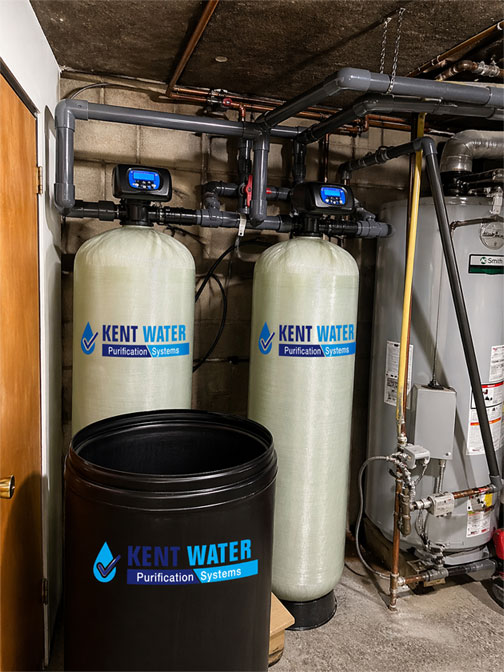
Kent 4.0 Twin Demand Water Softener

Kent Well Water Softener Systems

Designed specifically for private well systems across Southern Ontario

Well water presents unique challenges that city water systems are not built to handle - higher hardness levels, seasonal fluctuations and the potential presence of low to moderate iron. The Kent 4.0 Twin Demand is configured specifically for these conditions.

  • Handles high and variable hardness levels: engineered for well water conditions that can exceed 20 gpg, common in areas like Milton, Uxbridge and rural Southern Ontario
  • Twin-tank demand design: ensures a continuous supply of soft water even during regeneration cycles, ideal for households with higher daily water demand
  • Compatible with iron co-existence: designed to operate alongside iron levels commonly found in well water without compromising softening performance
  • Demand-initiated regeneration: regenerates based on actual water usage rather than a fixed schedule, reducing salt and water waste as well conditions change over time
  • Sized for your specific well: configured based on your water test results, not standard city water assumptions

Is a Well Water Softener right for your home?

A well water softener may be right for you if:

  • Your home uses a private well
  • You notice scale buildup or appliance wear
  • Soap and detergent do not lather well
  • Your water hardness varies over time
  • You want long-term plumbing protection
How to choose the right Well Water Softener

How to choose the right Well Water Softener

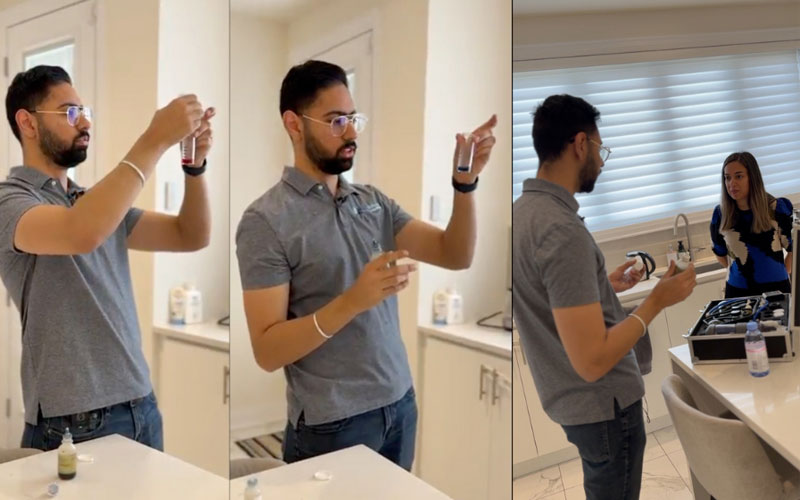
Choosing the right system starts with testing your well water. This helps determine:

  • Hardness level
  • Daily water usage needs
  • Proper system size and regeneration settings

A professional water test ensures your system is designed specifically for your well.

Explore related Water Treatment Solutions

Read what our Customers say...

Frequently Asked Questions

  • Do well water softeners need to be sized differently than city water softeners?

    Yes. Well water hardness levels can be significantly higher and more variable than city water. A well water softener must be sized based on your actual water test results - accounting for your specific hardness level, daily water usage and household size - to ensure consistent performance without over or under-treating your water.
  • What happens if my well water quality changes over time?

    Well water conditions can shift due to seasonal changes, groundwater movement, or changes in well depth. A properly sized demand-initiated system adapts to changes in daily usage automatically. However, if your water quality changes significantly, a water retest is recommended to confirm your system is still configured correctly for your current conditions.
  • Will a water softener affect my well pump or pressure tank?

    A properly installed well water softener should not negatively affect your well pump or pressure tank. Kent systems are configured to work within your existing plumbing setup, taking into account flow rate and pressure requirements to ensure no added strain on your well system.
  • Can a well water softener remove iron from my water?

    A water softener is not designed to remove iron - it is designed to remove hardness minerals like calcium and magnesium. However, some softeners can handle low levels of dissolved iron as part of the softening process. For well water with moderate to high iron levels, a dedicated iron filtration system is recommended alongside your softener. Learn more about our Well Water Filtration Systems
  • Do well water softeners require more maintenance than city water softeners?

    Well water softeners may require slightly more attention due to the variable nature of well water. Regular salt top-ups, periodic water retesting, and annual servicing help ensure your system continues to perform at its best. Kent provides ongoing service and maintenance support for all installed systems.
  • Can one system treat all my well water problems?

    Not always. A water softener addresses hardness minerals, but well water often contains additional concerns such as iron, sulfur, sediment, or bacteria that require separate treatment. Many well water homes benefit from a combined approach — a softener for hardness and a filtration system for other contaminants. A professional water test helps determine exactly what your well water needs.

Get the Water Quality You Deserve

+1

Would you like to receive follow-up and promotional emails from Kent Water about our products, services, and offers? You can unsubscribe at any time.


By submitting, you agree to our Terms of Service and Privacy Policy.

* We respect your privacy as we respect our own.
We do not sell or share personal information, ever.

Find the right Well Water Softener for your home

Choosing the right well water softener starts with understanding your well water quality. Our team helps homeowners across Southern Ontario select systems designed specifically for their private well conditions.

Schedule a Free Water TestTalk to a Water Expert

Reviewed by Kent Water Purification Specialists
Based on real private well water conditions across Southern Ontario and years of experience designing well-specific water treatment solutions.